 14 Karat
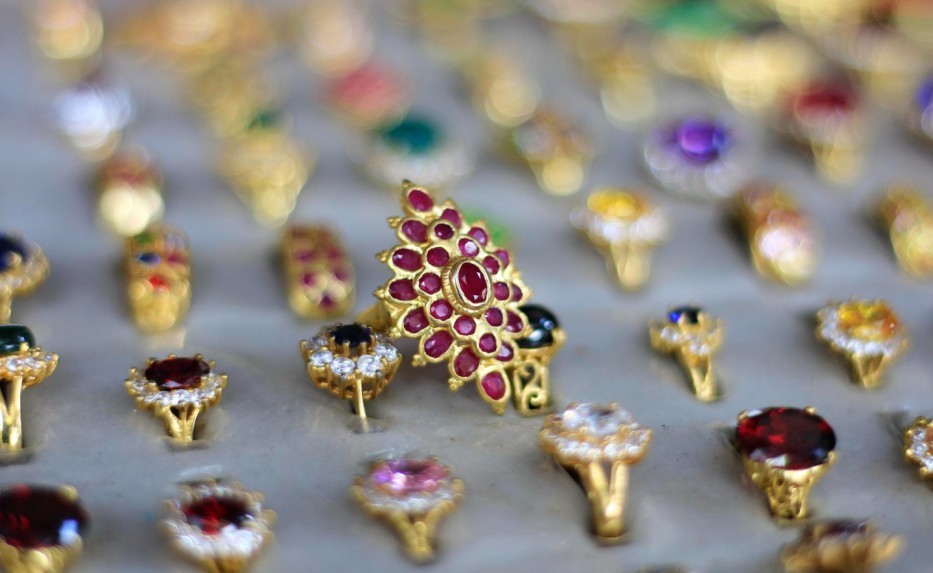
Preserve Your Legacy with Well-Prepared Heirloom Jewelry
Heirloom jewelry is more than a pretty sparkle. It is your grandmother’s wedding ring that has seen decades of family dinners, a parent’s anniversary band that marked a big promise, or a gold bracelet that everyone recognizes in old photos. These gold and diamond pieces carry both real financial value and deep emotional weight.
When you prepare heirlooms before passing them down, you protect both parts of that value. Clear documentation, professional appraisals, and the right insurance help avoid confusion, keep family stories alive, and reduce the chance of disagreements later. As spring brings graduations, weddings, and Mother’s Day, many Omaha families start opening jewelry boxes and thinking about which pieces should move to the next generation. Our goal is to help you do that in a thoughtful, organized way that honors your history.
Start with the Story: How to Document Your Heirlooms
A ring or necklace without its story is only half as special. When future generations know who wore each piece, when it was given, and why it mattered, they are much more likely to treasure and care for it.
Start by creating a simple inventory. You can use a notebook or a basic spreadsheet. For each piece, try to note:
- Metal type, such as yellow gold, white gold, or platinum
- Gemstone type and size, such as a diamond center stone and any side stones
- Approximate purchase date or decade
- Original store or location if known
- Any repairs, resizing, or redesigns you know about
Next, take clear photos in good light. Shoot from several angles, including close-ups of any unique details. Save the photos in a digital folder that can be shared with trusted family members so the records are not stuck in one place.
Do not stop with the facts. Add the heart. You can:
- Write short notes about who wore the piece and for what events
- Record a quick voice memo telling the story behind a ring or necklace
- Film a short video of the current owner speaking about why it matters
These personal touches are especially meaningful for engagement rings and wedding bands. If you are not sure what the metal or stones are, a trusted jeweler can help identify and explain details so you can add accurate notes to your records, even if older paperwork has gone missing.
Professional Appraisals: What Omaha Families Need to Know
Not all value is the same. It helps to understand three common terms:
- Resale value, what someone might pay if you sold the piece
- Replacement value, what it would likely cost to replace it with a similar new item
- Sentimental value, the emotional worth that only your family can measure
Professional appraisals are usually written for replacement value, since that is what insurance companies use. Still, knowing this number can also help with planning and fair division among heirs.
You may want an appraisal when:
- You inherit jewelry and are not sure what it is worth
- You are getting ready to gift or divide pieces in an estate
- Your family is going through major changes, like marriage, divorce, or moving homes
- Several years have passed and gold and diamond prices may have changed
At a fine-jewelry store, a typical appraisal includes a full inspection of each piece. The jeweler will examine gemstones for cut, color, clarity, and carat weight, test and measure the metal, and take photos. You will receive a written report you can keep with your records.
Having these appraisals in place can bring real peace of mind. They help make sure your insurance is accurate, that siblings and heirs are treated more fairly, and that if something is ever lost, stolen, or damaged, you are not guessing about its value. Many families like to handle appraisals in late winter or early spring, before busy travel and wedding seasons when jewelry is worn more often.
Protecting Value: Smart Insurance for Gold and Diamonds
Many people assume their homeowners or renters policy will fully cover heirloom jewelry. That is not always true. Standard policies often have low limits for jewelry, especially for loss or theft, so fine pieces may need extra protection.
A common option is to add a specific jewelry rider or separate policy. To insure your heirlooms, you will usually need to:
- Get an up-to-date professional appraisal
- Gather any old receipts, lab reports, or certificates you still have
- Take clear photos of each piece
- Speak with your insurance agent about coverage options
When you talk with your insurance provider, good questions include:
- Are my pieces covered for loss, theft, and mysterious disappearance?
- Are they covered while I travel, even outside the country?
- Will claims be based on a set agreed value or market value at the time of loss?
- What is the deductible for jewelry claims?
Insurance is not a one-time task. Update your appraisals and coverage every few years, especially if gold and diamond prices shift. Also review them anytime you have a piece cleaned, redesigned, or reset in a new mounting, since those changes can affect value. A knowledgeable local jeweler can provide updated reports and photos that match what insurance companies expect.
Everyday Jewelry Care Tips for Gold and Diamonds
Good care now makes heirlooms stronger for later. Simple daily habits keep gold and diamonds looking bright and help prevent damage.
Try these jewelry care tips for gold and diamonds:
- Take rings off before heavy yardwork, workouts, or deep cleaning
- Avoid wearing fine jewelry in pools or hot tubs, since chlorine is hard on metal
- Keep pieces away from bleach, harsh cleaners, and strong beauty products
- Store items in separate soft pouches or compartments so they do not scratch each other
For at-home cleaning, most diamond jewelry can be gently cleaned with warm water, mild dish soap, and a soft toothbrush. Rinse well and dry with a lint-free cloth. Skip abrasive cleaners or rough fabrics, which can scratch gold and dull the shine.
Regular professional cleanings are also helpful. A jeweler can:
- Check prongs, beads, and channels that hold stones in place
- Tighten loose diamonds before they fall out
- Inspect clasps on bracelets and necklaces
- Polish worn gold and suggest repairs before small issues grow
This type of routine care is especially smart before big spring and summer events like weddings, family photos, or graduations. It keeps your jewelry camera-ready and makes each piece feel prepared to be passed from one generation to the next.
Plan the Handoff: Making Inheritance Clear and Meaningful
Once your heirlooms are documented, appraised, insured, and well cared for, it is time to think about who will receive them. Clear plans reduce stress for everyone later on.
Start by deciding which person should receive which piece, then write those decisions down. This might be through a will, trust, or a simple inventory list with names noted beside each item. Some families also label boxes or pouches so there is no confusion.
It can be helpful to hold a family conversation or small gathering where you:
- Share the stories behind key pieces
- Explain any special care needs or repair history
- Allow future heirs to ask questions
- Discuss whether anyone hopes to resize or update a piece someday
Heirlooms can be a sensitive topic. Professional appraisals can support fairness among siblings by showing real differences in value. Some families balance things by pairing a higher-value item with another that has strong sentimental meaning, so the emotional and financial value feels more even.
After pieces pass to the next generation, encourage heirs to visit a trusted jeweler to check sizing, settings, and overall condition. Small updates like resizing, reinforcing prongs, or adjusting a design can help the jewelry fit the new wearer’s style while still honoring the original look. That way, each heirloom continues to be worn and loved, not left in a drawer.
Keep Your Gold And Diamonds Brilliant For Years To Come
If you are ready to protect the pieces you love, we are here at 14 Karat to help you put smart care habits into action. Explore our expert jewelry care tips for gold and diamonds and learn how professional cleaning, inspection, and repair can extend the life of your favorite jewelry. When you are prepared to schedule a visit or ask specific questions about your pieces, simply contact us and we will guide you every step of the way.
Comments